
News and events from the Institute of Cancer Therapeutics
You can find notable news articles relating to the Institute of Cancer Therapeutics below.
July 2024
Hypoxia-Responsive Prodrug of ATR Inhibitor, AZD6738, Selectively Eradicates Treatment-Resistant Cancer Cells
Targeted therapy remains the future of anti-cancer drug development, owing to the lack of specificity of current treatments which lead to damage in healthy normal tissues. ATR inhibitors have in recent times demonstrated promising clinical potential, and are currently being evaluated in the clinic. However, despite the considerable optimism for clinical success of these inhibitors, reports of associated normal tissues toxicities remain a concern and can compromise their utility. Here, ICT10336 is reported, a newly developed hypoxia-responsive prodrug of ATR inhibitor, AZD6738, which is hypoxia-activated and specifically releases AZD6738 only in hypoxic conditions, in vitro. This hypoxia-selective release of AZD6738 inhibited ATR activation (T1989 and S428 phosphorylation) and subsequently abrogated HIF1a-mediated adaptation of hypoxic cancers cells, thus selectively inducing cell death in 2D and 3D cancer models. Importantly, in normal tissues, ICT10336 is demonstrated to be metabolically stable and less toxic to normal cells than its active parent agent, AZD6738. In addition, ICT10336 exhibited a superior and efficient multicellular penetration ability in 3D tumour models, and selectively eradicated cells at the hypoxic core compared to AZD6738. In summary, the preclinical data demonstrate a new strategy of tumour-targeted delivery of ATR inhibitors with significant potential of enhancing the therapeutic index.

Lead author, Dr. Francis M. Barnieh, a Research Fellow at the ICT commented “Our study demonstrates a new use of ATR inhibitors in selectively targeting hypoxic cancer cells. ATR kinase is a key DNA repair protein in cancers, with its inhibitors currently considered as chemo- and radio- sensitisers. However, the findings of this study suggest perhaps ATR inhibitors may have a wider use, considering the absence of DNA damage in hypoxic cancer cells. This is very exciting as it positions ATR kinase as a promising target to selectively eradicate treatment-resistant hypoxic cancer cells”.
APOE genotype, eicosapentaenoic acid (EPA) supplementation and n-3 highly unsaturated fatty acid (HUFA) levels in patients with multiple colorectal polyps: A secondary analysis of the seAFOod polyp prevention trial
June 2024
The DNA repair kinase ATM regulates CD13 expression and cell migration
Classically, ATM is known for its pivotal role in detecting double-strand DNA breaks and signaling for their repair. Beyond this canonical function, ATM has been implicated in various other cellular processes, including transcriptional silencing, ferroptosis, autophagy, and angiogenesis. Notably, ATM-mediated angiogenesis has been shown to operate independently of VEGF through p38 signaling. Separate studies have linked p38 signaling with the upregulation of metalloproteinases such as MMP-2 and MMP-9, though a direct connection to ATM remained unclear.
In this study, researchers demonstrate that ATM regulates the protein expression of CD13 (aminopeptidase-N), a protein known for its role in cell migration. Using wildtype (WT) and knockout (KO) ataxia-telangiectasia (AT) cells, along with the neuroblastoma cancer cell line SH-SY5Y, it was observed through western blotting that ATM activity positively correlates with CD13 protein levels. This correlation was further confirmed by treating cells with the ATM inhibitor KU55933, which resulted in reduced CD13 protein expression.
Interestingly, quantitative PCR and publicly available RNAseq data from Hu et al. (J. Clin. Invest., 2021, 131, e139333) revealed no change in CD13 mRNA levels, suggesting that ATM's regulation of CD13 occurs at the protein degradation level rather than through transcriptional control. The use of proteasome inhibitors restored CD13 protein levels in ATM-inhibited cells, providing further evidence for this regulatory mechanism.

Migration assays conducted in the study showed that inhibition of either ATM or CD13 impaired cell migration, with no additional effect observed when both proteins were inhibited simultaneously. This indicates an epistatic relationship, suggesting that ATM and CD13 operate within the same signaling pathway to influence cell migration.
The findings from this study introduce a novel functional interaction between ATM and CD13, proposing that ATM negatively regulates the degradation of CD13. This regulatory mechanism subsequently impacts cell migration, unveiling new potential therapeutic targets for conditions involving aberrant cell migration.
Prof Sherif El-Khamisy
To read the full article
May 2024
Novel chemical methodology uncovered during synthesis of nucleotide anticancer prodrugs
PhD student Alexandra Serre (supervised by Dr Goreti Ribeiro Morais and Prof Robert Falconer) have published findings related to a type of chemical oxidation reaction using the well-known reagent, the Dess-Martin Periodinane. Alex’s PhD project was focused on the development of nucleotide prodrugs of polysialyltransferase (polyST) inhibitors for neuroblastoma. PolyST regulates expression of polysialic acid, which plays key roles in tumour cell adhesion, migration, invasion and metastasis.
Traditionally, the Dess-Martin reagent oxidises primary alcohols to aldehydes, but Alex found that in the case of cytidine analogues, the oxidation proceeds further to the carboxylic acid. Alex expanded her findings to evaluate different conditions and reaction components, arriving at methodology to selectively synthesise either the aldehyde or the carboxyl. The work also features computational chemistry to understand the reactions with University of Gothenburg collaborators Prof Leif Eriksson and Dr Vibhu Jha.
Prof Falconer commented “These findings are important in the synthesis of nucleotide anticancer prodrugs and beyond, and nicely exemplify the strong synthetic and medicinal chemistry activities ongoing in the ICT that underpin our efforts to develop novel cancer therapeutics.”

April 2024
Yorkshire biopartnering 2024
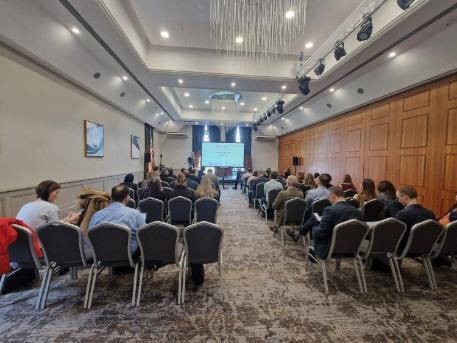
Concluding a Successful Yorkshire Biopartnering Event at the Cedar Court Hotel
Under the visionary leadership of Dr. Jason Jones, our Commercial Manager, and with invaluable support from Dr. Paul Norton, our recent Yorkshire Biopartnering Event held at the Cedar Court Hotel marked a significant triumph. This success was made possible through collaborative efforts with Bionow and the University of Bradford (UoB), spearheaded by Dave Holmes.
Throughout the event, esteemed speakers shed light on diverse funding opportunities, highlighting organizations such as UKRI and CLIMB. Particularly noteworthy was Helen Oldham's keynote address, emphasizing the emergence of women-led SMEs and spinouts.
Demonstrating the concrete advantages of collaboration, Peter Ali, our Business Development Manager, presented project SIBLING, which leverages UoB's analytical expertise to provide subsidized funding to SMEs [Link]. Additionally, our ICT team showcased a range of services beneficial to both industry and academia [Link].
Our esteemed ICT head, Prof. Sherif El-Khamisy, eloquently concluded the conference with closing remarks. We extend our heartfelt gratitude to all participants and attendees of the 3rd annual YBP, and we look forward to nurturing more fruitful collaborations in the future.
March 2024
Maleimide–Thiol Linkages Alter the Biodistribution of SN38 Therapeutic Microbubbles Compared to Biotin–Avidin While Preserving Parity in Tumoral Drug Delivery
Therapeutic microbubbles (thMBs) contain drug-filled liposomes linked to microbubbles and targeted to vascular proteins. Upon the application of a destructive ultrasound trigger, drug uptake to tumour is improved. However, the structure of thMBs currently uses powerful non-covalent bonding of biotin with avidin-based proteins to link both the liposome to the microbubble (MB) and to bind the targeting antibody to the liposome–MB complex. This linkage is not currently FDA-approved, and therefore, an alternative, maleimide–thiol linkage, that is currently used in antibody–drug conjugates was examined. In a systematic manner, vascular endothelial growth factor receptor 2 (VEGFR2)-targeted MBs and thMBs using both types of linkages were examined for their ability to specifically bind to VEGFR2 in vitro and for their ultrasound imaging properties in vivo. Both showed equivalence in the production of the thMB structure, in vitro specificity of binding and safety profiles. In vivo imaging showed subtle differences for thMBs where biotin thMBs had a faster wash-in rate than thiol thMBs, but thiol thMBs were longer-lived. The drug delivery to tumours was also equivalent, but interestingly, thiol thMBs altered the biodistribution of delivery away from the lungs and towards the liver compared to biotin thMBs, which is an improvement in biosafety.
Link to article here

Prof Paul Loadman
This study represents a long-standing collaboration with Prof Steve Evans and the Leeds microbubble team (https://microbubbles.leeds.ac.uk/). Therapeutic microbubbles have been developed by the team in Leeds to improve tumour selective delivery of cytotoxic anti-cancer drugs. The cytotoxic payload is released within the tumour environment by the application of a destructive ultrasound trigger. Amanda Race and Paul Loadman (together with Nikki Ingram) helped the Leeds team with the analysis of cytotoxic drug release (SN38 and its glucuronide) in the tumour by LC/MS/MS.
The microbubbles contain liposomes (cytotoxic drug carriers) and a targeting antibody. This study used an alternative, maleimide–thiol linkage to link both the liposome to the microbubble (MB) and to bind the targeting antibody to the liposome–microbubble complex and investigated how this influenced drug distribution in the body.
Co-Loading of Black Phosphorus Nanoflakes and Doxorubicin in Lysolipid Temperature-Sensitive Liposomes for Combination Therapy in Prostate Cancer
Black phosphorus (BP) is one of the most promising nanomaterials for cancer therapy. This 2D material is biocompatible and has strong photocatalytic activity, making it a powerful photosensitiser for combined NIR photothermal and photodynamic therapies. However, the fast degradation of BP in oxic conditions (including biological environments) still limits its use in cancer therapy. This work proposes a facile strategy to produce stable and highly concentrated BP suspensions using lysolipid temperature-sensitive liposomes (LTSLs). This approach also allows for co-encapsulating BP nanoflakes and doxorubicin, a potent chemotherapeutic drug. Finally, we demonstrate that our BP/doxorubicin formulation shows per se high antiproliferative action against an in vitro prostate cancer model and that the anticancer activity can be enhanced through NIR irradiance.

Prostate Cancer Awareness Month and Research at the Institute of Cancer Therapeutics
The University of Bradford was honored to host a special outreach event organized by Bradford Teaching Hospitals, dedicated to raising awareness about prostate cancer. Held on March 6th, 2024, the event marked the observance of Prostate Cancer Month and aimed to educate and inform the university community about this critical health issue.
Prostate cancer remains one of the most prevalent forms of cancer affecting men worldwide, underscoring the importance of proactive education and early detection. The collaboration between Bradford Teaching Hospitals and the University of Bradford exemplifies a shared commitment to promoting men's health and well-being.
Prostate Cancer Research at the Institute of Cancer Therapeutics
Funding to progress cutting-edge research have been received from Prostate Cancer UK and more recently the Masonic Charitable Foundation (MCF), which is funded by freemasons, their families, and friends, from across England and Wales. Recent funding from MCF underpins research programmes for three clinical PhD studentships with focus on castration-resistant prostate cancer, a disease with unmet clinical need. Several projects at the Institute of Cancer Therapeutics are focused on discovering new medicines to combat this aggressive disease. Prof Klaus Pors said “our prostate cancer research can broadly be divided into three drug delivery and prodrug strategies aimed at (1) improving tumour-selectivity of current clinically used drugs such as docetaxel, (2) exploiting enzymes or proteins highly expressed in drug-resistant disease for tumour-selective drug development and (3) new therapeutic molecules focused on blocking or treating the spread of prostate cancer also known as metastasis. Currently, our research is advancing well on all three strategies with clinical expertise underpinned by Dr. Molokwu. Indeed, we are grateful for his time today at this event, but also for routinely giving lectures about prostate cancer treatment to our MSc students, which helps to inspire the next generation of cancer researchers”.

Dr Chidhi Molokwu from Bradford Teaching hospitals and Dr Amalia Ruiz from the ICT
During the outreach event, attendees had the opportunity to engage with healthcare professionals from Bradford Teaching Hospitals who shared valuable insights about prostate cancer prevention, screening, and treatment options. Additionally, informative sessions were conducted to dispel myths and misconceptions surrounding prostate cancer, empowering individuals to make informed decisions about their health.
Dr. Chidi Molokwu, a distinguished consultant urologist from Bradford Teaching Hospitals NHS Foundation Trust and Honorary Clinical Associate Professor at the University of Bradford, emphasized the significance of community outreach in raising awareness about prostate cancer. "Events like these provide a platform to foster open discussions about prostate cancer and encourage individuals to prioritize their health through regular checks and lifestyle modifications," remarked Dr. Molokwu. He was accompanied at the event by Mr. Christos Gkikas, Consultant Uro-Oncologist and Claudia Oliveira, Clinical Nurse Specialist.
Structure-guided optimization of 3-hydroxybenzoisoxazole derivatives as inhibitors of Aldo-keto reductase 1C3 (AKR1C3) to target prostate cancer
AKR1C3 is an enzyme that is overexpressed in several types of radiotherapy- and chemotherapy-resistant cancers. Despite AKR1C3 is a validated target for drug development, no inhibitor has been approved for clinical use. In this manuscript, we describe our study of a new series of potent AKR1C3-targeting 3-hydroxybenzoisoxazole based inhibitors that display high selectivity over the AKR1C2 isoform and low micromolar activity in inhibiting prostate cancer cells in vitro. In silico studies initially suggested substituent needed to increase compound potency and provided with a mechanistic explanation that could clarify their different activity, later confirmed by X-ray crystallography. Both the in-silico studies and the crystallographic data highlight the importance of 90◦ rotation around the single bond of the biphenyl group, in ensuring that the inhibitor can adopt the optimal binding mode within the active pocket. The p-biphenyls that bear the meta-methoxy, and the ortho- and meta- trifluoromethyl substituents (in compounds 6a, 6e and 6f respectively) proved to be the best contributors to cellular potency as they provided the lowest IC50 values in the new series (2.3, 2.0 and 2.4 μM respectively); importantly with no toxicity towards human MRC-5 cells. Co-treatment with scalar dilutions of either compound 6 or 6e and the clinically used drug abiraterone led to a significant reduction in cell proliferation, and thus confirmed that treatment with both CYP171A1-and AKR1C3-targeting compounds possess the potential to intervene in key steps in the steroidogenic pathway. Taken together, the novel compounds display desirable biochemical potency and cellular target inhibition as well as good in-vitro ADME properties, which highlight their potential for further preclinical studies.

Co-author Prof Klaus Pors Professor of Chemical Biology at the Institute of Cancer Therapeutics commented “This study is our latest contribution to research carried out by a European team of investigators led by Prof Donatella Boschi and colleagues at the University of Turin focused on blocking AKR1C3 enzyme activity to halt prostate cancer cell proliferation. The current study provides mechanistic insight to how new inhibitors can be grown into more robust molecules with drug-like properties for clinical progression. We are very excited about this work, which also provides a basis for combining an AKR1C3 inhibitor with standard of care drugs. AKR1C3 is highly expressed in castration-resistant prostate cancer, which is a cancer with poor overall survival rates. Accordingly, targeting AKR1C3 for therapeutic intervention might provide a new approach to treating this aggressive disease.”
February 2024
Chromosomal single-strand break repair and neurological disease: Implications on transcription and emerging genomic tools
Cells are constantly exposed to various sources of DNA damage that pose a threat to their genomic integrity. One of the most common types of DNA breaks are single-strand breaks (SSBs). Mutations in the repair proteins that are important for repairing SSBs have been reported in several neurological disorders. While several tools have been utilised to investigate SSBs in cells, it was only through recent advances in genomics that we are now beginning to understand the architecture of the non-random distribution of SSBs and their impact on key cellular processes such as transcription and epigenetic remodelling. Here, we discuss our current understanding of the genome-wide distribution of SSBs, their link to neurological disorders and summarise recent technologies to investigate SSBs at the genomic level.
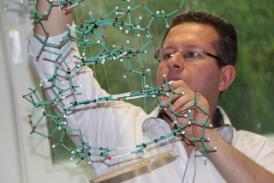
Lead author Prof Sherif El-Khamisy Director of the Institute of Cancer Therapeutics commented “In a rapidly evolving era of genomics this piece of work outlines recent technologies to map genomic breaks and determine their impact on health and disease‘’
A Proteomic Investigation to Discover Candidate Proteins Involved in Novel Mechanisms of 5-Fluorouracil Resistance in Colorectal Cancer
One of the main obstacles to therapeutic success in colorectal cancer (CRC) is the development of acquired resistance to treatment with drugs such as 5-fluorouracil (5-FU). Whilst some resistance mechanisms are well known, it is clear from the stasis in therapy success rate that much is still unknown. Here, a proteomics approach is taken towards identification of candidate proteins using 5-FU-resistant sublines of human CRC cell lines generated in house. Using a multiplexed stable isotope labelling with amino acids in cell culture (SILAC) strategy, 5-FU-resistant and equivalently passaged sensitive cell lines were compared to parent cell lines by growing in Heavy medium with 2D liquid chromatography and Orbitrap Fusion™ Tribrid™ Mass Spectrometry analysis. Among 3003 commonly quantified proteins, six (CD44, APP, NAGLU, CORO7, AGR2, PLSCR1) were found up-regulated, and six (VPS45, RBMS2, RIOK1, RAP1GDS1, POLR3D, CD55) down-regulated. A total of 11 of the 12 proteins have a known association with drug resistance mechanisms or role in CRC oncogenesis. Validation through immunodetection techniques confirmed high expression of CD44 and CD63, two known drug resistance mediators with elevated proteomics expression results. The information revealed by the sensitivity of this method warrants it as an important tool for elaborating the complexity of acquired drug resistance in CRC.


Lead author and Senior Lecturer in Cancer Biology at the ICT Dr Steve Shnyder commented “This study is part of ongoing work at the ICT to uncover novel mechanisms and biomarkers of drug resistance for colorectal cancer. The findings of this study will act as a springboard for more detailed investigations which it is hoped will eventually lead to new therapeutic interventions to overcome the drug resistance challenges for the disease. We are grateful to all the people in Bradford who contributed to the Bradford Crocus Appeal which enabled the purchase of the Orbitrap Mass Spectrophotometer which was central to the work in this study.”
December 2023
Phase 3 trial of the effect of the eicosapentaenoic acid (EPA) on colorectal cancer recurrence and survival after surgery for resectable liver metastases.
Introduction: There remains an unmet need for safe and cost-effective adjunctive treatment of advanced colorectal cancer (CRC). The omega-3 polyunsaturated fatty acid eicosapentaenoic acid (EPA) is safe, well-tolerated and has anti-inflammatory as well as antineoplastic properties. A phase 2 randomised trial of preoperative EPA free fatty acid 2 g daily in patients undergoing surgery for CRC liver metastasis showed no difference in the primary endpoint (histological tumour proliferation index) compared with placebo. However, the trial demonstrated possible benefit for the prespecified exploratory endpoint of postoperative disease-free survival. Therefore, we tested the hypothesis that EPA treatment, started before liver resection surgery (and continued postoperatively), improves CRC outcomes in patients with CRC liver metastasis.
Methods and analysis: The EPA for Metastasis Trial 2 trial is a randomised, double-blind, placebo-controlled, phase 3 trial of 4 g EPA ethyl ester (icosapent ethyl (IPE; Vascepa)) daily in patients undergoing liver resection surgery for CRC liver metastasis with curative intent. Trial treatment continues for a minimum of 2 years and maximum of 4 years, with 6 monthly assessments, including quality of life outcomes, as well as annual clinical record review after the trial intervention. The primary endpoint is CRC progression-free survival. Key secondary endpoints are overall survival, as well as the safety and tolerability of IPE. A minimum 388 participants are estimated to provide 247 CRC progression events during minimum 2-year follow-up, allowing detection of an HR of 0.7 in favour of IPE, with a power of 80% at the 5% (two sided) level of significance, assuming drop-out of 15%.


Co-author Prof. Paul Loadman from the ICT said "This work evolves from our strong, long standing collaboration with Professor Mark Hull at the University of Leeds . The ICT in Bradford have spent many years developing specific and sensitive analytical methods (by Amanda Race and Jade Spencer) to show the influence of EPA on Patients. These methods include the analysis of a wide range of Fatty acids and Oxylipins via LC/MS/MS”
To read the full article
November 2023
Cancer-specific glycosylation of CD13 impacts its detection and activity in preclinical cancer tissues.
Harnessing the differences between cancer and non-cancer tissues presents new opportunities for selective targeting by anti-cancer drugs. CD13, a heavily glycosylated protein, is one example with significant unmet clinical potential in cancer drug discovery. Despite its high expression and activity in cancers, CD13 is also expressed in many normal tissues. Here, we report differential tissue glycosylation of CD13 across tissues and demonstrate for the first time that the nature and pattern of glycosylation of CD13 in preclinical cancer tissues are distinct compared to normal tissues. We identify cancer-specific O-glycosylation of CD13, which selectively blocks its detection in cancer models but not in normal tissues. In addition, the metabolism activity of cancer-expressed CD13 was observed to be critically dependent on its unique glycosylation. Thus, our data demonstrate the existence of discrete cancer-specific CD13 glycoforms and propose cancer-specific CD13 glycoforms as a clinically useful target for effective cancer-targeted therapy.

To read the full article
Lead author, Dr. Francis M. Barnieh, a Research fellow at the ICT commented “This paper demonstrates for the first time the uniqueness of cancer-expressed CD13 compared to that expressed in normal tissues, which position CD13 as a potential target for cancer-targeted therapy. As an early career researcher, publishing my first independent and innovative research is critical for my career progression, and I am grateful to the UoB for the STARTER fellowship award”.
September 2023
Synthesis and Biological Evaluation of Cyclobutane-Based β3 Integrin Antagonists: A Novel Approach to Targeting Integrins for Cancer Therapy
The Arg-Gly-Asp (RGD)-binding family of integrin receptors, and notably the β3 subfamily, are key to multiple physiological processes involved in tissue development, cancer proliferation, and metastatic dissemination. While there is compelling preclinical evidence that both αvβ3 and αIIbβ3 are important anticancer targets, most integrin antagonists developed to target the β3 integrins are highly selective for αvβ3 or αIIbβ3. We report the design, synthesis, and biological evaluation of a new structural class of ligand-mimetic β3 integrin antagonist. These new antagonists combine a high activity against αvβ3 with a moderate affinity for αIIbβ3, providing the first evidence for a new approach to integrin targeting in cancer.

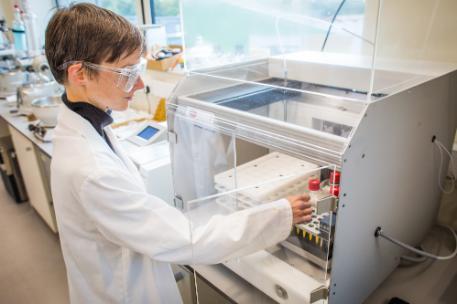
Dr Helen Sheldrake (pictured above) lecturer in Organic and Medicinal Chemistry at the Institute of Cancer Therapeutics and first author on this article recently published in “Cancers” said ”I am very pleased to finally be able to publish the beginning of our cyclobutane integrin antagonist story after filing a patent on the most exciting compounds discovered. The cyclobutane structure is underused in medicinal chemistry; this paper highlights an easy method to make functionalised cyclobutanes and their potential in drug molecules".