Skip to content
Site navigation Search

Drug development pipeline at the Institute of Cancer Therapeutics

Researchers at the Institute of Cancer Therapeutics (ICT) specialise in the discovery and development of novel cancer therapeutics from target identification through to full preclinical validation.

We understand that for our research to have an impact it needs to be translated into new and more effective medicines for cancer patients. To achieve this key objective the ICT seeks external collaboration and investment for the progression of a number of exciting research programs in order to advance them through into clinical trials and beyond. The ICT has an excellent track record of attracting investment for its research programs and has an exciting drug development pipeline.

ICT2588 (Incanthera Plc)

ICT2588 is our most recent success, a drug heading towards the clinic. The drug is inactive in the body until it reaches the tumour, where a specific protease (MT1-MMP) recognises and ‘activates’ the drug, releasing the active cytotoxic agent selectively in tumour tissue.

Developed by Prof Robert Falconer, Prof Paul Loadman and jointly funded by Cancer Research UK and Yorkshire Cancer Research the technology formed the basis for the launch of Incanthera Ltd (now plc), an ICT/University of Bradford spin-out company and now licenced to Ellipses Pharma.

CLIO-ICT, a combined therapy and diagnostic version of ICT2588 (a ‘theranostic’) developed in conjunction with Prof Heike Daldrup at Stanford University Medical School. CLIO-ICT is being evaluated by the National Cancer Institute, USA, and is a potential candidate for clinical trials.

Company Logo

CD13 Targeted Peptide Drug Conjugate

Background and Opportunity

This invention relates to the selective delivery of cancer therapeutics via a peptide drug conjugate (PDC) that is specifically recognised and activated within the tumour microenvironment by aminopeptidase (known as CD13) which is a metalloproteinase highly expressed in multiple solid tumours. By conjugating a peptide to the anticancer agent, the active drug is rendered inactive and non-toxic, sparing normal tissues. CD13 is over-expressed in tumour tissue and associated vasculature. Highly expressed in multiple solid tumours, including breast cancer, lung cancer, colon cancer and neuroblastoma. Implicated in growth, angiogenesis, invasion and metastasis in vivo. Highly upregulated in response to tumour hypoxia. The global PDC market garnered $718 Million in 2022, expanding at a historical CAGR of 16%. It is estimated that the PDCs market value will reach $ 5.3 billion by 2033.

The Problem

According to the National Cancer Institute (US), there are more than 250 FDA approved chemotherapeutic drugs used in treatment of malignant tumours. However, the major drawback associated with such small molecules is uncontrolled toxicity resulting in severe side effects.                                                                                               

Full details on the clinical applications, benefits and IP status of this invention.

Novel Target and Therapeutics for Dormant Cancer Cells

Background and Opportunity

Scientists at the ICT have discovered a novel pro-survival protein called TDIF in dormant cancers cells. Dormancy specific modification to TDIF is critical for the viability of dormant cancer cells. When TDIF blockers inhibit this modification in dormant cancer cells it leads to a high accumulation of DNA damage which leads to dormant cancer cell death, preventing their awakening. We have developed AI platform that can identify compounds to block this target. The team used AI methods to identify a series of small molecules that can inhibit this protein modification and demonstrated in vitro efficacy and selectivity in dormant cancer cell models. No effect on normal proliferating cells.

The Problem

Cancer cell dormancy refers to an adaptive response of a cancer cell, after it detaches from the primary tumour and disseminates throughout the body. These disseminated tumour cells (DTCs) enter a state of dormancy or “hibernation”. In this dormant state, DTCs spend most of their time not dividing. DTCs survive like this via the activation of an adaptive survival pathway that facilitates cellular crosstalk between DTCs and host cells in the surrounding microenvironment. DTCs live in the bones, lungs and other hospitable tissues of patients. Eventually, these dormant DTCs “awaken”.

Despite recent advances in cancer treatment, cancer recurrence still poses a major challenge, often involving more aggressive, metastatic disease which remains incurable in the majority of cases. Dormant cancer cells are associated with recurrence, metastasis, and poor clinical outcome, these cells play a crucial role in disease relapse. Dormant cells are by definition in a state of reversible arrested growth, thereby making them unresponsive to the majority of conventional therapies that target actively cycling cell. Currently no specific treatments are available for killing dormant cancer cells.

Full details about the clinical applications, benefits and IP status of this invention. 

Novel Payloads for Drug Conjugates/Prodrugs (UNIK Biotherapeutics)

Background and Opportunity

Scientists at the Institute of Cancer Therapeutics (ICT) at the University of Braford have designed, synthesised and tested a novel set of payloads based on Duocarmycins, natural products that are ultrapotent. The team at ICT are also developing novel Anti-body Drug Conjugates (ADCs) containing these novel warheads, which offer a number of benefits. 12 ADCs are currently approved for clinical use, and 100 new ADCs in clinical trials, this reflects a strong investor confidence with market size estimated at $10.8billion (2023) and projected to grow at 27.8% CAGR to $50billion in 2030 (See Ref below)

The Problem

Duocarmycins are a class of highly potent small molecules derived from naturally occurring compound; first isolated in the 1970s from the culture broth of Streptomyces bacteria. They exhibit ultra-potent (picomolar) anti-tumour activity in a wider range of solid tumours through binding with DNA via irreversible alkylation of the nucleobase adenine at the N3 position; known as minor groove-binding this disrupts the nucleic acid architecture, which eventually leads to tumour cell death. However, despite their considerable potential as therapeutics, market approval for their clinical use has not yet been granted. Clinical administration (between 1998-2003) of duocarmycins; adozelesin, bizelesin and the two carbamate prodrugs carzelesin and KW-2189 was associated with severe adverse effects and no therapeutic index, leading to all trials being discontinued.

See the full details about this invention and its clinical application.

Ran GTPase Peptide Inhibitor for Chemo-Resistant Breast Cancer

Background and Opportunity

Annually 2.26m women are diagnosed with Breast Cancer (BC) globally and 685,000 deaths annually, 90% of deaths arise from metastasis (the spread of cancer) and recurrence. Triple Negative Breast Cancer (10-20% of all BC cases) is associated with elevated risk of metastasis. Chemotherapy is used to treat HER-2, TNBC, larger tumours & metastasis. Paclitaxel and Doxorubicin are commonly used chemo-treatments for BC.

This opportunity from the University of Bradford is underpinned by a patent family which is focussed on the inhibition of Ran GTPase as a therapy for cancer treatment with a focus on a new treatment to combat chemotherapeutic resistance in triple negative and metastatic breast cancer.

The Problem

Chemotherapy is one of the standard therapies for breast cancer (BC), but the resistance of BC cells to chemotherapy drugs is a huge challenge for its effective treatment. Chemo-resistance is a main cause of BC-related death, as it results in recurrence and metastasis. Thus, overcoming this issue is critical to improving the prognosis of patients with BC. The response rate of metastatic BC to first-line chemotherapy drugs is usually 30%–70%, but it is not persistent, drug resistance occurs in 6–10 months, resulting in treatment failure. The 5-year survival rate of patients with metastatic breast cancer is only 27%. Triple Negative Breast Cancer (TNBC) represents approximately 15-20% of all newly diagnosed BCs and is generally a more aggressive disease with a poorer prognosis and higher grade than other types of BC, accounting for 5% of all cancer-related deaths annually.

Full details about the clinical applications, benefits and IP status of the Ran GTPase Peptide Inhibitor for Chemo-Resistant Breast Cancer.

Polysialyl transferase inhibitors

Polysialic acid (polySia, an unusual carbohydrate polymer) found on the surface of neuroendocrine tumours, notably neuroblastoma. PolySia plays a key role in the metastatic spread of tumours. We have a focus on neuroblastoma and are developing inhibitors targeting metastasis and prodrugs to tackle this deadly childhood disease.

Led by Prof Robert Falconer, this project is currently funded by a £1.5m Yorkshire Cancer Research programme, and the ICT Doctoral Training Centre. Find out more on Prof Robert Falconer's staff profile.

YCR logo

Soluble Protease activated prodrugs

Proteases, and membrane-type matrix metalloproteinases (MT-MMPs) in particular, are known to be elevated in the majority of solid human tumours and to be central to tumour invasion and angiogenesis.  Current projects include targeting methotrexate for osteosarcoma (funded by Bone Cancer Research Trust), targeting the ultrapotent duocarmycins to treat breast cancer (funded by Breast Cancer Now), and targeting taxanes for prostate cancer (funded by the ICT Doctoral Training Centre). Projects are led by Prof. Robert FalconerProf. Paul Loadman and Dr. Klaus Pors.

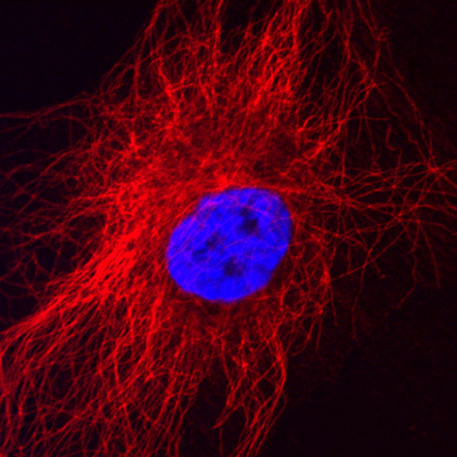
Cell image ICT

Cytochrome P450 activated prodrugs

Cytochrome P450 enzymes, frequently expressed in cancer cells, can be utilised as targets for selective bioactivation of duocarmycin bioprecursors. Ongoing projects are focused on prodrug development (funded by a £1.5m Yorkshire Cancer Research programme) and combinations with radiotherapy in breast cancer (funded by Breast Cancer Now)

Specifically, the project seeks to determine the efficacy of duocarmycins as single-agents or in combination with radiotherapy. 2D and 3D breast cancer models will be analysed for CYP1A1 and CYP1B1 expression and new duocarmycin bioprecursors will be assessed for capacity to destroy breast cancer cells. Find out more on Klaus Pors' staff profile.

charity logo