
The Rotary Peace Centre
The Rotary Peace Centre hosts and supports ten fully-funded MA Rotary Peace Fellows from around the world each year and is based in the Department of Peace Studies and International Development (PSID) at the University of Bradford. The Department of Peace Studies and International Development (PSID) is the world’s largest university centre for research and courses on peace studies, conflict resolution, and development.
The Centre was established in 2002 as a founding member of the Rotary Peace Centres network. Additional Master's programme Rotary Peace Centres are located at the University of North Carolina-Duke University (USA), University of Queensland (Australia), International Christian University (Japan), and Uppsala University (Sweden). Further Rotary Peace Centres offering a Certificate programme are located at Makerere University (Uganda), Bahçeşehir University (Türkiye), and Symbiosis International University (India).
Since 2002, the Rotary Foundation has invested more than $150 million (USD) in the global Rotary Peace Fellowship programme. The Rotary Peace Centres have collectively trained more than 1,800 fellows who now work in over 140 countries, selecting up to 170 fellows each year.
For general enquiries please email rotary.peace@bradford.ac.uk or call +441274238115.
The Programme
Rotary Peace Fellows are offered a variety of Master degree courses that examine issues such as peace, conflict, security and development locally and globally. The programmes provide opportunities for students to engage in analysis, decision-making, and problem-solving around real-world practice-based scenarios, developing capacities for informed judgement, critical thinking, and effective engagement with international and local practitioner communities.
All Master degree programmes are structured around core modules, with flexibility built in through optional modules chosen by students to meet their own objectives and interests. Students also complete a dissertation. Additionally, they are expected to spend three months undertaking field experience from May to September. During this period students gain an opportunity to extend their professional skills and knowledge into new areas and to collect data relating to the topic of their dissertation. When students return to the University in September, they will analyse the data they have collected and complete their original research project. They submit their dissertation in December.
Many graduates find that studying in Peace Studies and International Development helps them move on to postgraduate research via doctoral degrees at other world-class institutions or to high-impact peacebuilding jobs around the world. Recent Rotary Fellows have gone on to work for the UNHCR, the Red Cross, Save the Children, the United Nations High Commission and the Human Rights, International Organisation for Migration and many other influential global organisations.
Rotary Peace Fellows engage in an intensive 15-month programme during their fellowship. The Rotary Peace Fellowship programme consists of the following:
- September to May: Coursework
- June to August: Applied Field Experience
- September to December: Dissertation
Peace Fellows can choose from a range of programmes offered within the Division of Peace Studies and International Development. The postgraduate programmes available are as follows:
Research and teaching
Research in the Department of Peace Studies and International Development provides an internationally recognised interdisciplinary environment addressing the causes, dynamics, and resolution of violent conflict, alongside the challenges of sustainable and inclusive development. The department offers expertise in international security, peacebuilding, development economics, global governance, gender and social justice, environmental sustainability, and conflict resolution theory. Staff research combines critical scholarship with real-world policy engagement and practitioner collaboration with governments, NGOs and international organisations.
Staff contribute to public and academic debates on disarmament, humanitarian response, resilience, and post-conflict recovery. The department has 50 years of experience developing influential scholarship and an active research culture that links teaching and external impact. We continue to strive for innovative, applied research aimed at promoting sustainable peace and equitable global development.
Below is a list of current teaching staff, as well as Emeritus professors and honorary visiting researchers, all of whom are available to advise students on their specialist research areas.
- Professor P B Anand (Director, Rotary Peace Centre)
- Professor Christoph Bluth
- Dr Rhys Kelly (Head of Department)
- Dr Clara Voyvodic Casabo (Programme Leader for MA International Relations and Security Studies)
- Dr Joseph Ajefu (Programme Leader for MA International Development Management and MSc Sustainable Development)
- Dr Rashmi Arora (Programme Leader for MSc Economics and Finance for Development, Coordinator of Post-graduate Research)
- Dr Ute Kelly (Programme Leader for MA Peace, Resilience and Social Justice, MA Peace, Conflict and Development, MA Peacebuilding and Conflict Resolution)
- Dr Serag El-Hegazi (Programme Leader for MA Project Planning and Management)
- Dr Sudhir Selvaraj (Research lead)
- Dr Alex Waterman
- Dr Anisha Samantara
- Dr Becky Alexis-Martin
- Dr Colins Imoh
- Dr Ferda Halicioglu
- Dr Gabor Batonyi
- Dr Karen Abbi-Ezzi
- Dr Maria Ambrozy
- Dr Suresh Rohilla
- Dr Sicong Wang
- Emeritus Professor Owen Greene
- Emeritus Professor Fiona Macaulay
- Emeritus Professor Tom Woodhouse
- Emeritus Professor Behrooz Morvaridi
- Emeritus Professor Donna Pankhurst
- Emeritus Professor Munro Price
- Emeritus Professor John Russell
- Emeritus Professor Thomas Gallagher
- Emeritus Professor Oliver Ramsbotham
- Emeritus Professor Malcolm Dando
- Emeritus Professor Friedel Weinert
- Dr David Harris, Honorary Visiting Researcher
- Dr Janet Bujra, Honorary Visiting Reader
Further information on the Department can be found on Facebook and LinkedIn
Rotary Peace Fellows
Rotary Peace Fellows are selected through a highly-competitive international process.
Bradford Peace Fellows must have several years of professional experience, an excellent academic record, and show an ability to have a significant, positive impact on world peace and conflict resolution in their future careers.
Rotary Peace Fellows at Bradford are supported by the fellowship for the 15-month duration of the programme, starting in September and ending in December of the following year. The fellowship includes full-funding for tuition, living expenses, Applied Field Experiences, and travel costs. The Rotary Peace Centre organizes and facilitates a variety of opportunities, workshops, conferences, and trips for the Peace Fellows throughout the year to bolster their learning experience and professional development.
A Peace Fellow's Journey
Class XIV Rotary Peace Fellow Lauren Coffaro discusses her journey to Bradford as a Rotary Peace Fellow.
Selection criteria
The Rotary Peace Fellowships are offered on a world-competitive basis. Each Rotary district may nominate candidates for competition in the worldwide selection process. Up to 10 Fellowships for Master’s level studies are offered annually at the Bradford Rotary Peace Centre. Fellows can only be assigned to a centre that is outside of their home country.
Eligibility and Selection Criteria for Rotary Peace Fellowship
- A strong commitment to international understanding and peace demonstrated through professional and academic achievements and personal and community service activities.
- A bachelor’s degree, with strong academic achievement.
- Three years of full-time related work experience.
- Proficiency in English - The standard University requirement is 6.0 with no sub-test less than 5.5 (or equivalent) on IELTS, or on the university's own entry test BASALT. You can find information on other tests which are accepted and their equivalences on the English language requirements page.
- Persons with disabilities are eligible and encouraged to apply.
Interested candidates must apply for Rotary Peace Fellowships through their local Rotary district. If there is no local district in the applicant’s area, please contact Rotary staff.
How to Apply
Follow these steps to ensure that your application receives consideration.
- Review the eligibility restrictions.
- Research the curriculum and programs at each of the Rotary Peace Centres. You will be asked to rank two centres you prefer for the Master's program and one centre for the certificate program.
- Submit your application by 15 May. Applications require a resume, academic and/or professional recommendations, essays, transcripts, social impact plan (certificate only), and test scores (master's only). All materials must be in English.
- Get endorsed. As part of the application process, you need to connect with a Rotary district and get endorsed. Districts are regionally-based Rotary representatives located throughout the world. You can identify and contact your local Rotary district directly through the application platform. The district will interview you then submit an endorsement decision for your application. If you are having trouble connecting with a Rotary district, contact rotarypeacecenters@rotary.org.
- Engage with Rotary. Use the Club Finder to locate the Rotary club nearest you. Connecting with a club is a great way to learn about Rotary's work in your community and around the world. Clubs recommendations are optional, but strongly recommended as part of your application.
- Await selection results. Email notifications will be sent in November. If you are chosen for a fellowship, you will be told at which Peace Centre you will study.
- Apply for admission to the University where your Peace Centre is located. Being selected for the fellowship does not mean you have been admitted to the University.
Current Rotary Peace Fellows
Class XXIV Rotary Peace Fellows
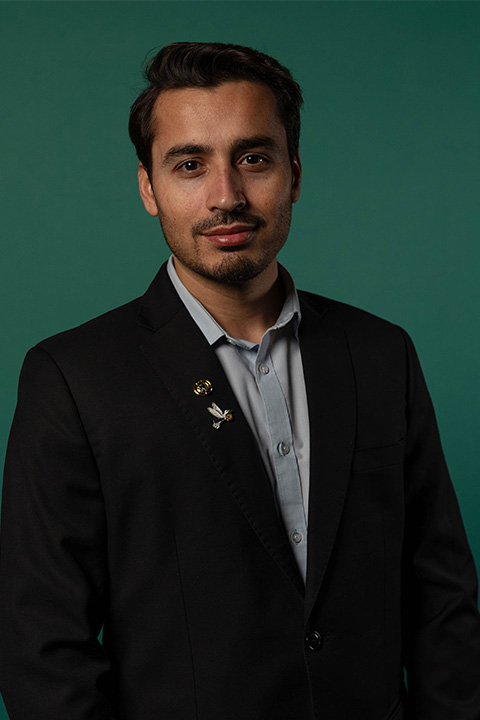
Shakeel Ahmed
Class XXIV Rotary Peace Fellow
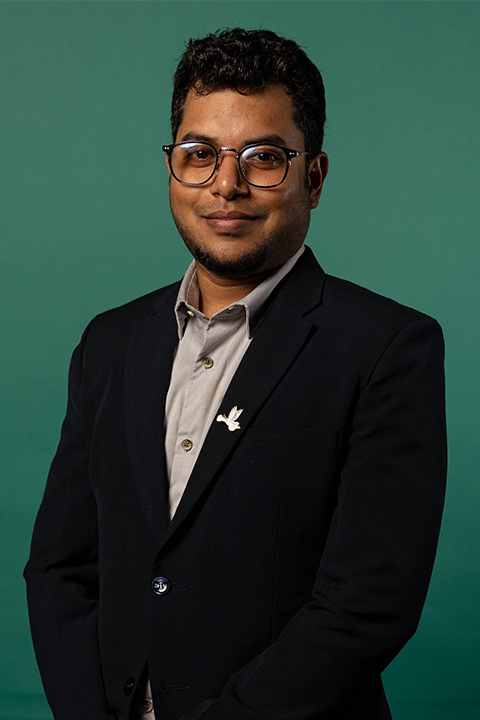
Raonak Barman
Class XXIV Rotary Peace Fellow
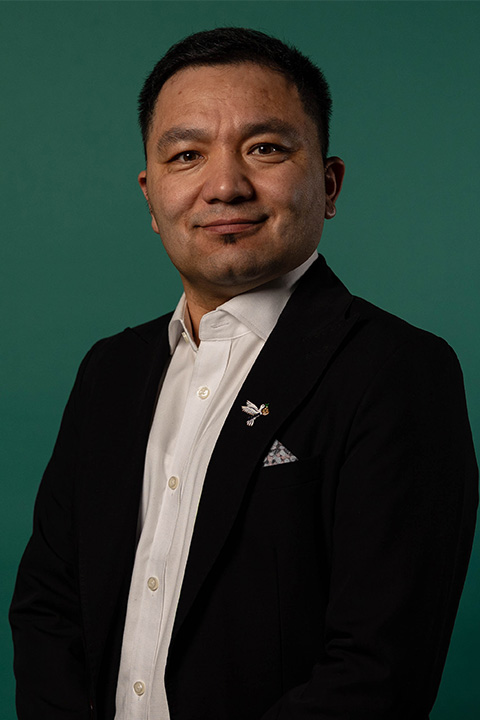
Khadim Hussain Fayez
Class XXIV Rotary Peace Fellow
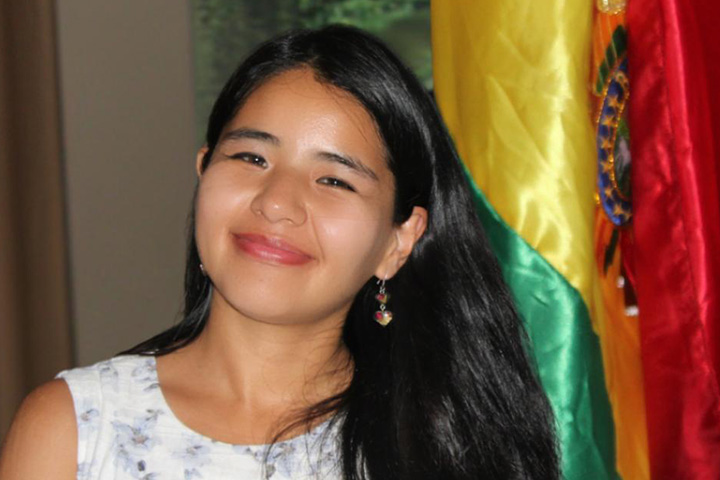
Daniela Fernandez
Class XXIV Rotary Peace Fellow
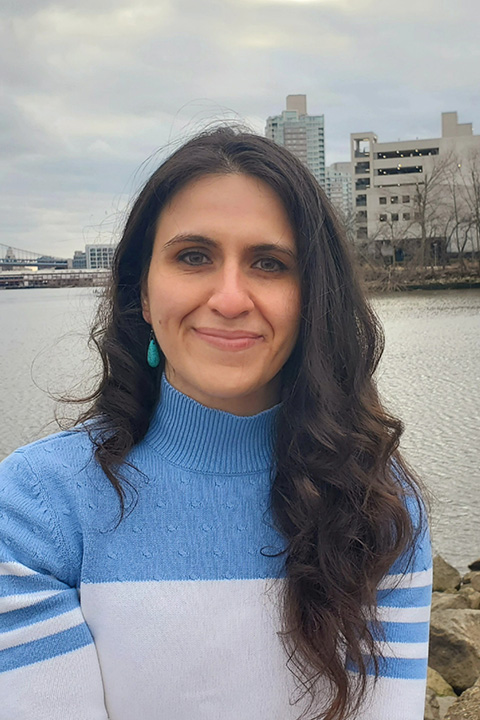
Esmeralda Hajdinaj
Class XXIV Rotary Peace Fellow
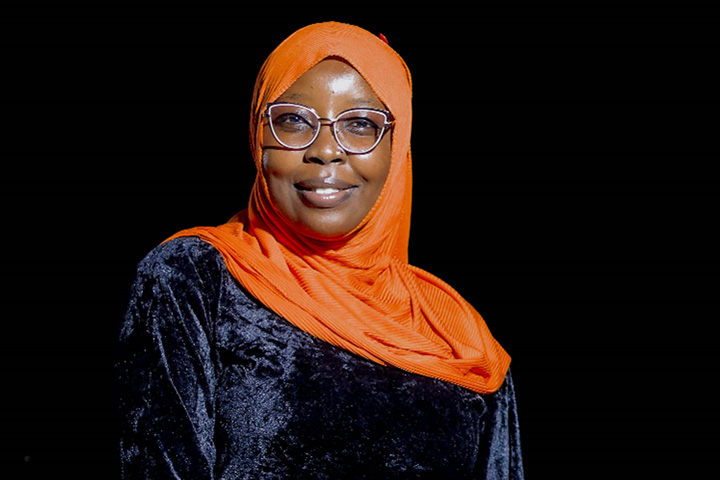
Fariah Lalaikipian
Class XXIV Rotary Peace Fellow

Hunter Levy
Class XXIV Rotary Peace Fellow
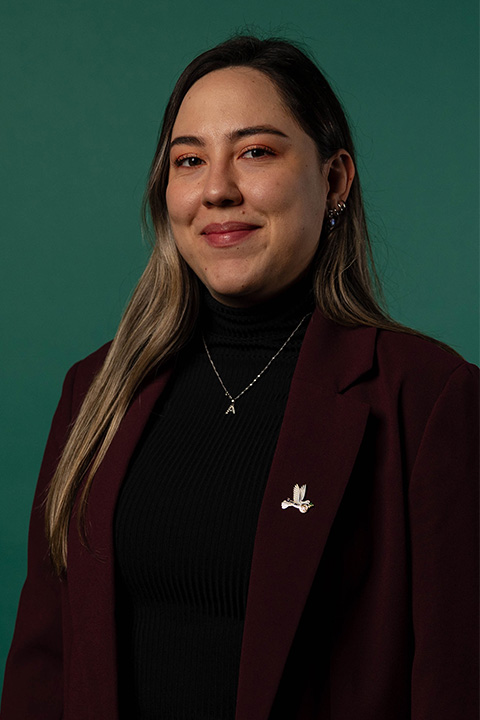
Andrea Ocampo
Class XXIV Rotary Peace Fellow
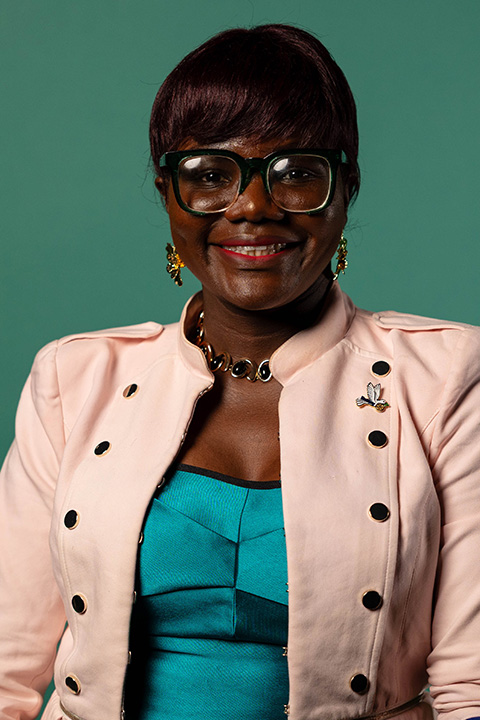
Damilola 'Ifenla' Oligbinde
Class XXIV Rotary Peace Fellows
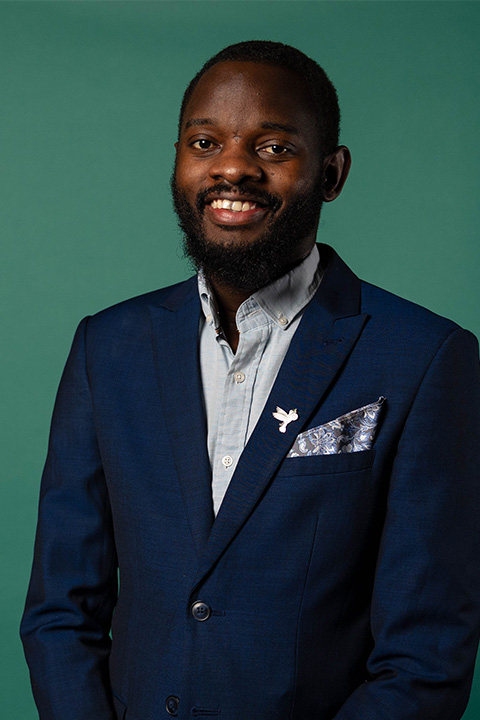
Alex Ssebukalu
Class XXIV Rotary Peace Fellows
Staff

Professor Prathivadi Anand
Rotary Peace Centre Director

James Barton
Rotary Peace Centre Programme Administrator