
Five careers for a Pharmacy graduate
- By:
- University of Bradford
- Published
- 17 March 2026
- Tagged under:
A Pharmacy degree opens doors to exciting careers - here are five you can move into after graduation.

A Pharmacy degree opens the door to rewarding careers in healthcare. Whether you enjoy working directly with patients or behind the scenes, there’s a career path to match.
Here are five exciting roles you could pursue after graduating:
Hospital Independent Prescribing Pharmacist
Support hospital patients with safe, effective medication.
Hospital Independent Prescribing Pharmacists work in hospital wards and clinics. You’ll work alongside doctors and nurses to ensure patients are getting the best possible treatment.
Responsibilities and skills include:
- reviewing patient medication records to determine the best treatment options
- prescribing medication
- working alongside doctors and nurses to get the best outcomes for patients
- supporting patients with chronic and long-term conditions
- providing advice on how to take medication and discussing possible side-effects
- monitoring and reviewing patient medication
As a hospital pharmacist, you can specialise in many different areas. You could progress into senior clinical pharmacist roles or move into research or education as you gain experience.
Community Independent Prescribing Pharmacist
Help people in the local community to stay well.
Community Independent Prescribing Pharmacists work in community pharmacies in urban, suburban and rural locations. You’ll provide medical advice, diagnose and treat minor illnesses, and prescribe medication for patients.
Responsibilities and skills include:
- giving health advice to customers
- assessing patients
- diagnosing minor illnesses and conditions
- prescribing medication for common conditions
- managing repeat prescriptions
- running health clinics
- supporting patients with long-term conditions
With further experience, you could become a pharmacy manager or owner, or move into training, consultancy or education.

GP Practice Independent Prescribing Pharmacist
Improve patient care in doctors’ surgeries.
GP Practice Pharmacists work in doctors’ surgeries. You’ll manage medicines, prescribe treatments and support patients.
Responsibilities and skills include:
- working closely with GPs and healthcare teams
- prescribing medication
- reviewing patient prescriptions
- supporting patients with chronic conditions
- updating medical records
- running medication training sessions
As you progress in your career, you could lead pharmacy services in practices or move into healthcare management.
Specialist Interest Pharmacist
Make a difference in specialist areas of care.
Specialist Interest Pharmacists focus on specific areas like cancer care, mental health or paediatrics. You’ll become an expert in one field and act as a skilled resource for healthcare teams.
Responsibilities and skills include:
- supporting complex patients
- giving specialist medication advice
- prescribing specialist medication
- monitoring and reviewing patients’ medication
- reviewing advanced treatments
- keeping up with the latest research and treatments
You could become a consultant pharmacist or move into research after gaining experience.
Regulatory Affairs or Clinical Trials Pharmacist
Ensure medications are safe, tested and approved.
Regulatory Affairs and Clinical Trials Pharmacists work with regulatory authorities and researchers. You’ll help to test and approve new drugs, and manage clinical trials safely. Responsibilities and skills include:
- supporting research teams
- checking medicine safety rules
- managing trial documents
- communicating with authorities
- reviewing study data
- writing reports
As you progress in your career, you could become a regulatory manager or work for a pharmaceutical company.
After graduating from the Pharmacy degree, you’ll need to complete a one-year Foundation period and pass the General Pharmaceutical Council Registration Assessment to become a qualified pharmacist. For some career routes, specialist work experience or a post-graduation qualification may also be required.

Exploring Iloilo: culture, friendship and village life – part two
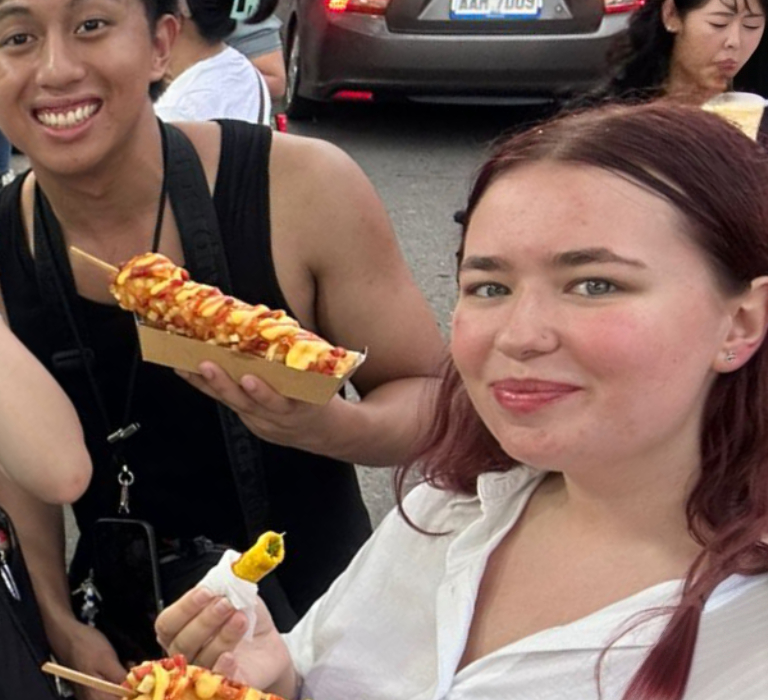
In part two, Courtney looks beyond the hospital to reflect on the cultural experiences, local adventures and friendships that made her time in the Philippines unforgettable.
Hello, Iloilo: my nursing placement in the Philippines – part one
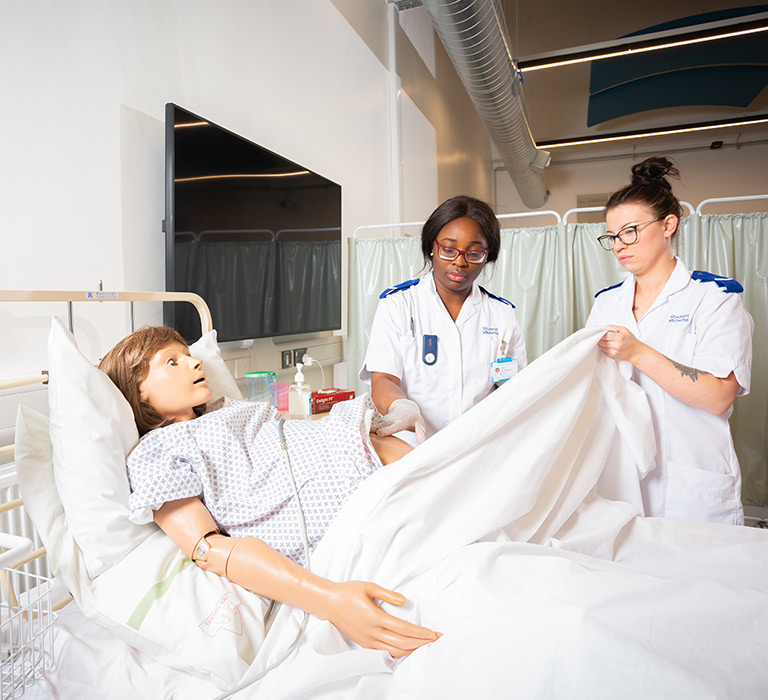
During a four-week placement in the Philippines, Courtney kept a diary of her experiences. In part one, she shares what she learned while working in a range of hospital departments in Iloilo.
It’s never too late: my midwifery journey
Tahira shares her journey as an adult learner on the path to becoming a midwife. She tells us how she balances family life, academic challenges, and clinical training whilst following her dreams.